


Can You Win an NFT? How Prize NFTs Work in Crypto Gambling
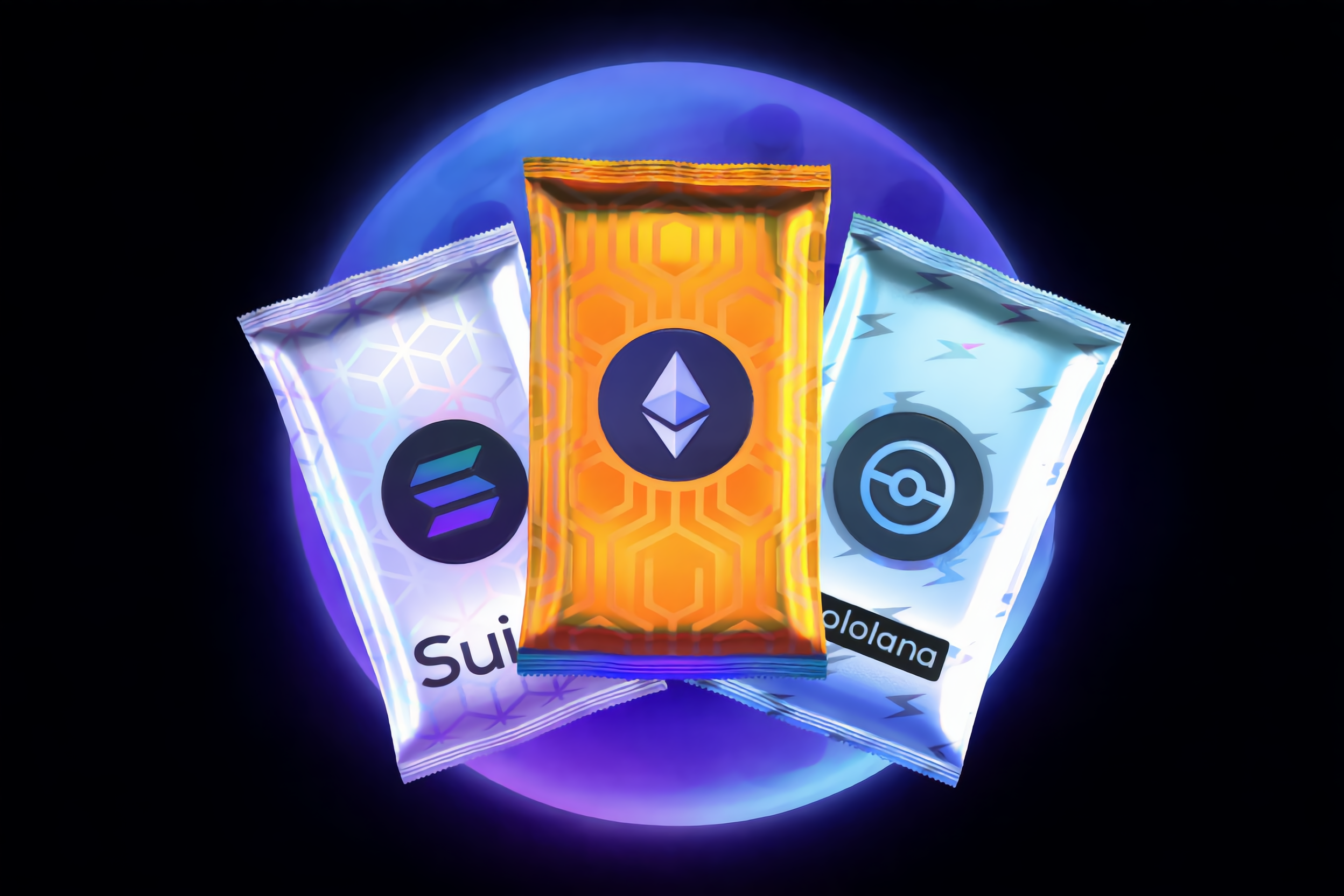

Can you win an NFT at a crypto casino?
Yes. But what you actually win, what it's worth, how the mechanics work — and the fun facts nobody tells you — are a different story entirely.
Yes — at crypto casinos and Web3 betting platforms you can win an NFT as a prize through tournaments, jackpot drops, loot boxes, or loyalty milestones. What you receive is a blockchain token proving ownership of a digital item that may unlock perks, be traded on secondary markets, or simply be collected. The catch: value is not fixed and not guaranteed.
- Prize NFTs are delivered directly to your wallet — no platform middleman holds them after transfer.
- An NFT's value depends on utility, demand, and liquidity — all three can collapse simultaneously.
- The most valuable prize NFTs have real utility baked in: cashback, tournament access, revenue share.
- Dynamic prize NFTs — ones that evolve on-chain based on your play history — are the next frontier.
The concept sounds almost too good — you spin a slot, hit the right combination, and instead of coins dropping into a tray, a blockchain token lands in your wallet representing ownership of something unique, tradeable, and potentially worth far more than the bet you placed. This is the prize NFT pitch, and at its best, it delivers exactly that. But the gap between the pitch and the reality is worth understanding before you chase one — because unlike a cash jackpot, a prize NFT's value is alive, volatile, and entirely dependent on a market that might not exist by the time you want to sell.
This guide covers the full picture: how prize NFTs are awarded, what actually determines their value, the mechanics behind each delivery method, the risks that matter most, and — because this space is genuinely exciting when it works — the fun facts, weird records, and future developments that make NFT gambling one of the most interesting corners of Web3 to watch right now.
What is a prize NFT?
An NFT — non-fungible token — is a unique record on a blockchain that proves ownership of a specific digital item. Unlike a cryptocurrency where every coin is identical and interchangeable, each NFT is distinct. A prize NFT is simply one you receive by winning rather than buying.
In a gambling context, that item might be a collectible artwork, an in-game asset, a membership pass that unlocks ongoing rewards, a tournament entry ticket, or a token tied directly to a jackpot pool. The defining feature is that ownership is cryptographically recorded on-chain — verifiable by anyone, transferable without the casino's permission, and permanent. Nobody can take it back once it's in your wallet. Whether it's worth anything once it's there is the question everything else turns on.
Fun fact: The most expensive single NFT ever sold — Beeple's "Everydays: The First 5000 Days" — went for $69.3 million at Christie's in March 2021. A prize NFT from a crypto casino tournament is unlikely to reach that tier, but BC.Game's DegenPass NFTs — awarded partly through play milestones — have traded on secondary markets at multiples of their original prize value during peak demand periods.
How you can win one
Prize NFT delivery mechanisms vary significantly across platforms, and the method of delivery affects both the rarity of the prize and how verifiably fair the outcome was. The four main formats:
| Method | How it works | Fairness mechanism |
|---|---|---|
| Tournaments | Finishing high on a leaderboard pays out an NFT instead of, or alongside, cash. Supply is fixed at the start — first place gets the rarest tier. | Leaderboard is public and verifiable in real time |
| Jackpot drops | A rare NFT is awarded randomly to a player — similar to a progressive jackpot firing. Can happen mid-session without warning. | VRF (Verifiable Random Function) on provably fair chains |
| Loyalty milestones | Reaching a VIP tier or cumulative wagering threshold unlocks a collectible or utility-bearing NFT automatically. | Smart contract triggers on verified wager total |
| Loot-box rewards | Players open a reward containing an NFT of variable rarity — bronze, silver, gold, legendary. Odds may or may not be disclosed. | Varies — on-chain VRF or off-chain RNG depending on platform |
| Smart contract minting | A game or promotion automatically mints a fresh NFT when a player qualifies — the token didn't exist until you won it. | Fully on-chain — contract is auditable by anyone |
Fun fact: Smart contract delivery — where the contract checks the result and releases the prize automatically — means the casino cannot intervene between your win and your wallet. It is the only gambling prize mechanism in history where the operator literally cannot choose not to pay you once the condition is met.
What a prize NFT is actually worth
This is the section that matters most, and it is where prize NFTs differ most sharply from a cash win. A cash jackpot of $10,000 is worth $10,000 the moment it lands. A prize NFT advertised as "worth $10,000" is worth whatever someone will pay for it on the day you try to sell — which might be $40,000 or $400, depending on three factors:
Winning an NFT advertised as "worth $5,000" means that was a recent sale price for something similar. The next sale could be $15,000 — or $15.
Fun fact: Developers are testing dynamic NFTs that evolve as milestones are reached or achievements unlocked. A plain card could morph into a gold emblem after a high roller weekend or a streak. This means the prize NFT you win today might look and function completely differently in three months — potentially becoming rarer and more valuable as fewer holders reach the evolution threshold.
The utility-first prize NFTs worth understanding
The most interesting prize NFTs in the current market are not static collectibles — they are access tokens with measurable financial returns baked in. A single NFT can deliver cashback percentages, shares of jackpot pools, and exclusive VIP access — all carrying measurable return on investment. BC.Game's DegenPass is the most visible example: holders gain access to the VIP section, qualify for mystery airdrops, and can use the NFT to wager directly across 10,000+ games. BC.Game lets players deposit an NFT, split it into fractional USD pieces, and use those to play — then merge and withdraw after the session. That is a fundamentally different financial product from a jpeg that sits in your wallet.
Fun fact: A blackjack badge from one casino could grant VIP seating in a partner sportsbook. Cross-platform portability will drive partnerships between casinos, sportsbooks, and major content studios. We are not there yet at scale — but the first cross-platform casino NFT partnerships are already being piloted in Europe, where regulators have cited improved accountability in NFT-based promotions versus traditional bonus systems.
The risks to weigh — clearly
1. Volatility that moves faster than you can react
NFT prices do not move like stocks — they can drop 80% in 48 hours with no warning and no recourse. In 2025, Nike faced a proposed class action tied to the closure of RTFKT, its digital asset unit, after buyers claimed the shutdown hurt demand for related NFTs. A casino closing its NFT programme, or simply losing community interest, can render prize NFTs effectively worthless. The NFT layer does not insulate you from this risk — it amplifies it.
2. Liquidity that exists on paper only
A listing price is not a sale price. Before you treat a prize NFT as part of your winnings, check whether comparable NFTs from the same collection have actually sold recently — not just what they are listed at. The difference between an active secondary market and a ghost marketplace is often invisible until you try to exit.
3. Platform and smart contract risk
If the casino's smart contract has a bug, or if the platform shuts down, your prize NFT may be stranded. Unlike a bank account, there is no deposit insurance. On provably fair, audited chains — particularly those using production-tested smart contract frameworks — this risk is lower. On unaudited platforms, it is material.
The question most players don't ask: What blockchain is the prize NFT on, and does that chain have the throughput to support a live casino ecosystem? If a platform mints your prize NFT on Ethereum L1 during congestion, the gas fee to transfer it can exceed the NFT's value for lower-tier prizes. Understanding the underlying chain matters — especially as the landscape shifts toward faster, cheaper alternatives. Our technical breakdown of which blockchain owns the future of crypto gambling explains exactly why this choice will shape what prize NFTs can actually do.
4. Fees and friction
Transferring, listing, and selling an NFT involves blockchain transaction fees and marketplace commissions — typically 2–5% on the sale plus gas. On congested networks, gas alone can be $20–$80 per transaction. Budget for these costs before calculating any prize value, especially for NFTs on Ethereum mainnet.
5. Regulatory grey zone
NFT gambling sits at the intersection of two lightly regulated areas. Rules vary by country and are still evolving rapidly. Loot-box-style NFT prizes in particular are under regulatory scrutiny in multiple jurisdictions — the NFT wrapper does not change local gambling law, and consumer protection may be limited or absent.
The five things to check before chasing a prize NFT
- Does it have real utility? Cashback, tournament access, jackpot share — something that generates returns independent of resale. A perk you'll actually use is worth more than a speculative collectible.
- Is there a real secondary market? Check recent completed sales on Magic Eden, Tensor, or OpenSea — not just listings. If the last completed sale was nine months ago, there is no market.
- What chain is it on? The blockchain determines fees, finality speed, marketplace access, and long-term ecosystem support. A prize NFT on a dead or dying chain is a prize you cannot use.
- What are the platform's transfer terms? Some casinos restrict when or how prize NFTs can be transferred — lock-up periods, KYC requirements before withdrawal, or restrictions on resale until a wagering threshold is met.
- Is the platform reputable and licensed? Vet the operator exactly as you would any gambling site. An NFT prize from an unlicensed platform has no regulatory protection behind it.
Fun fact: The largest verified crypto casino win ever recorded was a player on Sportsbet.io who staked $50 USDT on Microgaming's Wheel of Wishes and hit the WowPot! progressive jackpot — netting $42 million USDT. That was a fungible cash win, not an NFT. But the largest NFT casino prize economy is already operating at scale: BC.Game's DegenPass collection, awarded partly through play milestones, has facilitated hundreds of millions in wagering volume tied directly to NFT ownership status.
The future — what prize NFTs are becoming
Dynamic NFTs that evolve with your play
The next generation of prize NFTs does not sit static in your wallet. On blockchains with object-centric architectures — where an NFT is a living on-chain entity rather than a token ID pointing to a jpeg — a prize NFT can upgrade automatically as you continue playing. Win a bronze-tier tournament badge today; reach the next wagering milestone and it morphs into gold, unlocking a higher cashback rate, without any action from the casino operator. The object itself contains the logic.
Developers are testing dynamic NFTs that evolve as milestones are reached or new achievements unlocked. People will chat with live dealers while showing prize badges and animated art — and cross-platform portability will drive partnerships between casinos, sportsbooks, and major content studios. A tournament trophy from a poker final that proves your ranking on the permanent public ledger is a different kind of prize from anything the gambling industry has offered before. It is not just a reward. It is a verifiable credential.
The most interesting question in NFT gambling right now is not whether you can win an NFT — you clearly can. It is whether the industry will build prize assets that are genuinely worth winning: dynamic, utility-bearing, cross-platform objects that turn a casino reward into something that appreciates with your skill and loyalty rather than with market speculation alone. That infrastructure is being built. The chains capable of supporting it natively are already live. The platforms that figure this out first will have players who never want to leave — because their prize history, their status, and their rewards are permanently, verifiably theirs.